Tokyo looks like a gluten-free paradise until you learn how much of it hides wheat. Soy sauce is brewed with wheat, tempura and karaage often share fryers, and a rice-flour dessert can come from a kitchen that also handles noodles. This is the shorter, evidence-led list: Tokyo spots whose current sources describe an entirely gluten-free kitchen, shop, or production setup. The city's rice-flour baking culture makes the dedicated list unusually deep, but ingredients and practices can change, so each entry keeps its source limits and practical caveats visible.
Checked by Sansglu
Every spot here runs a dedicated gluten-free kitchen, bakery, or production space, confirmed against the restaurant's own materials and recent celiac-community signals rather than user votes or star ratings. Where the evidence is softer, such as L for You, otaco, or Comenico Lab, we say so and suggest a counter check before you order. Last checked July 2026. Read how Sansglu evaluates restaurant safety signals.
Sit-down restaurants
Safety 851
1. Gluten Free T’s Kitchen
Gluten-Free Japanese + Western
7-8-5 Roppongi · Roppongi
100% gluten-free kitchen
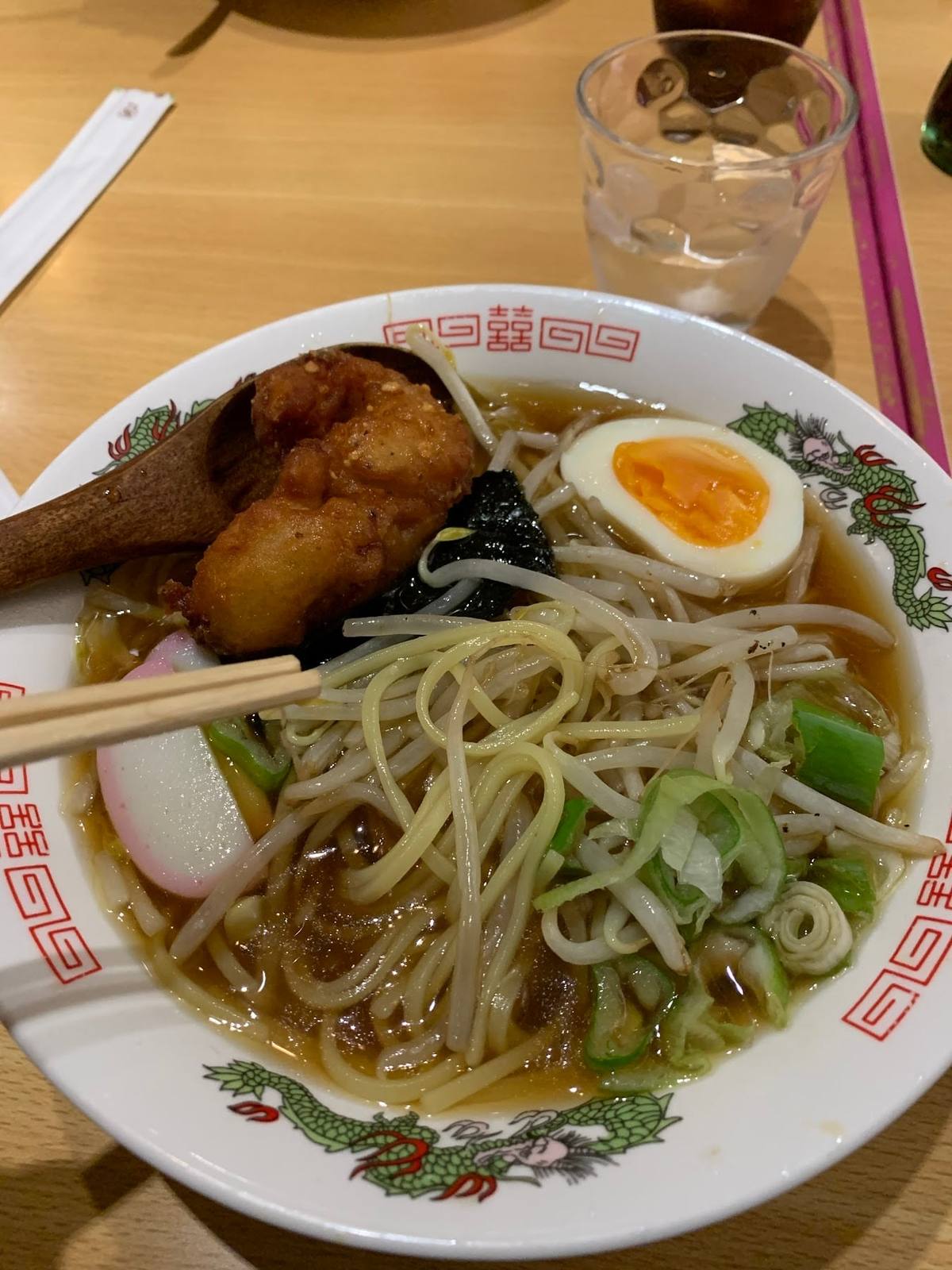
Order the ramen, the gyoza, or the karaage set, the wheat-heavy Japanese dishes celiacs usually have to skip, then finish with something from the dessert case. The published gluten-free setup covers the menu rather than a single adapted plate.
T's Kitchen describes its kitchen and menu as gluten-free, and the restaurant was the first in Asia certified by the Gluten Intolerance Group. That is a strong, attributable dedicated signal; still mention celiac disease and confirm the current setup when booking. The Roppongi room is small, so reserve ahead.
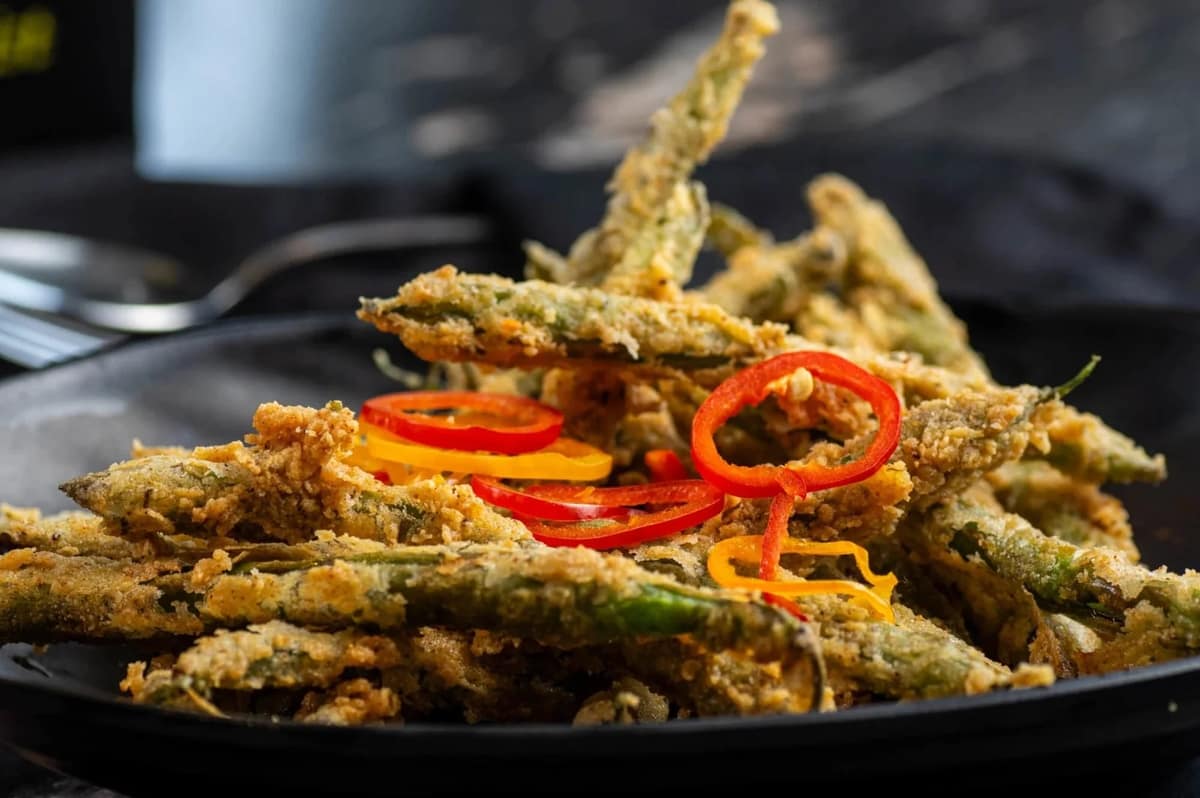
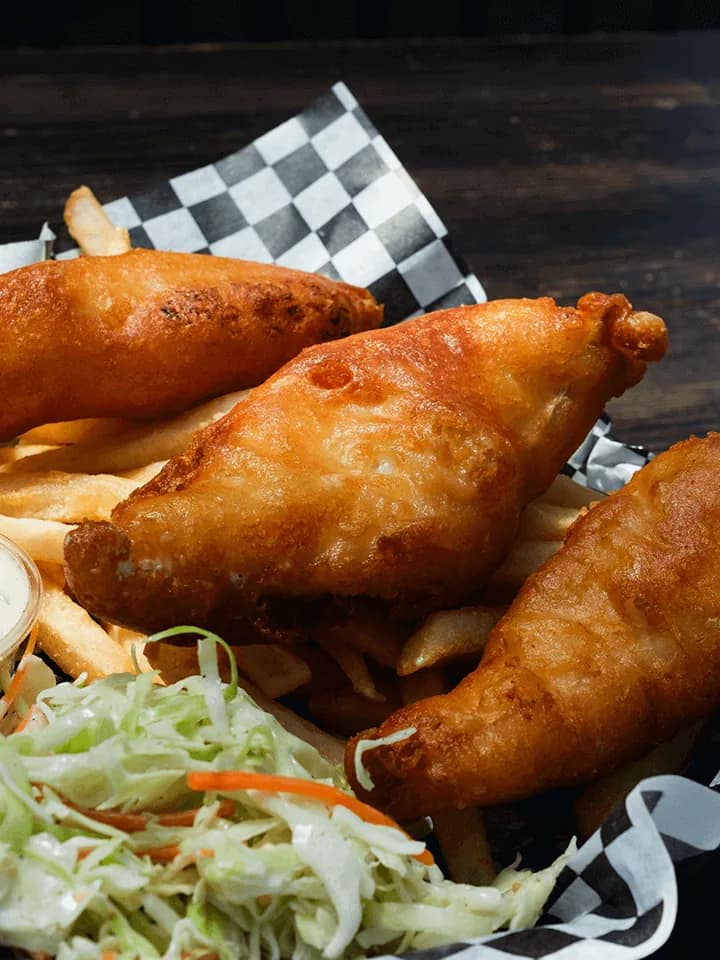
Go for the karaage and the tempura, both fried in a fully gluten-free kitchen, and add the daily set if it is running. Oh Nana also cooks low-FODMAP friendly, so it is gentle on more than just gluten.
Owner Nana has coeliac disease herself, which is why the entire place is gluten-free and why the fryer is not a landmine. That makes it one of the few spots in Tokyo where fried Japanese food is actually on the table for you. It is a small room in Kanda, so book ahead for lunch or dinner.
Sit down for the tempura course, seasonal vegetables and seafood battered in rice flour and fried in gluten-free oil, with a dipping sauce you do not have to interrogate. It is the tempura experience celiacs normally watch other people have.
The restaurant describes a wheat-free kitchen using rice-flour batter and gluten-free frying oil, with staff accustomed to celiac questions. Confirm the current batter, oil, and sauces when booking. It sits a minute from Kaminarimon in central Asakusa.
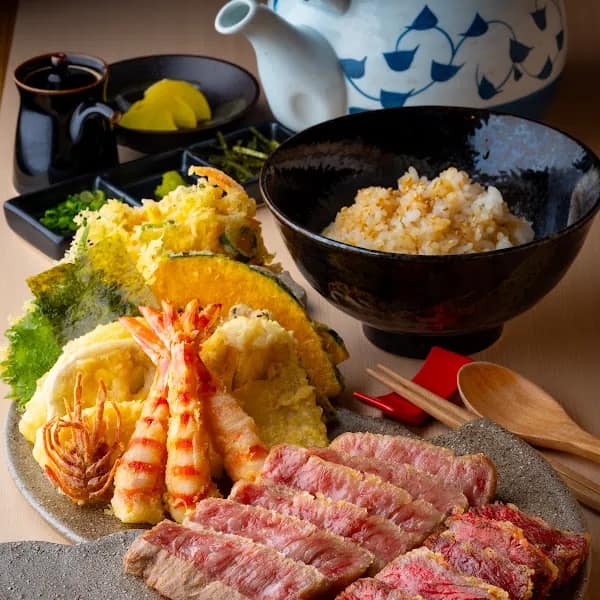
Book the kushiage omakase and let them send out skewer after skewer, each one crumbed in rice flour and fried in rice oil. It is the deep-fried specialty that is normally built entirely on wheat breadcrumbs.
Current sources describe the counter, batter, sauces, and sides as gluten-free rather than a single adapted course. It is a roughly six-seat, reservation-only room in Ginza, so treat it as a planned dinner, book well ahead, and confirm the current setup with the restaurant.
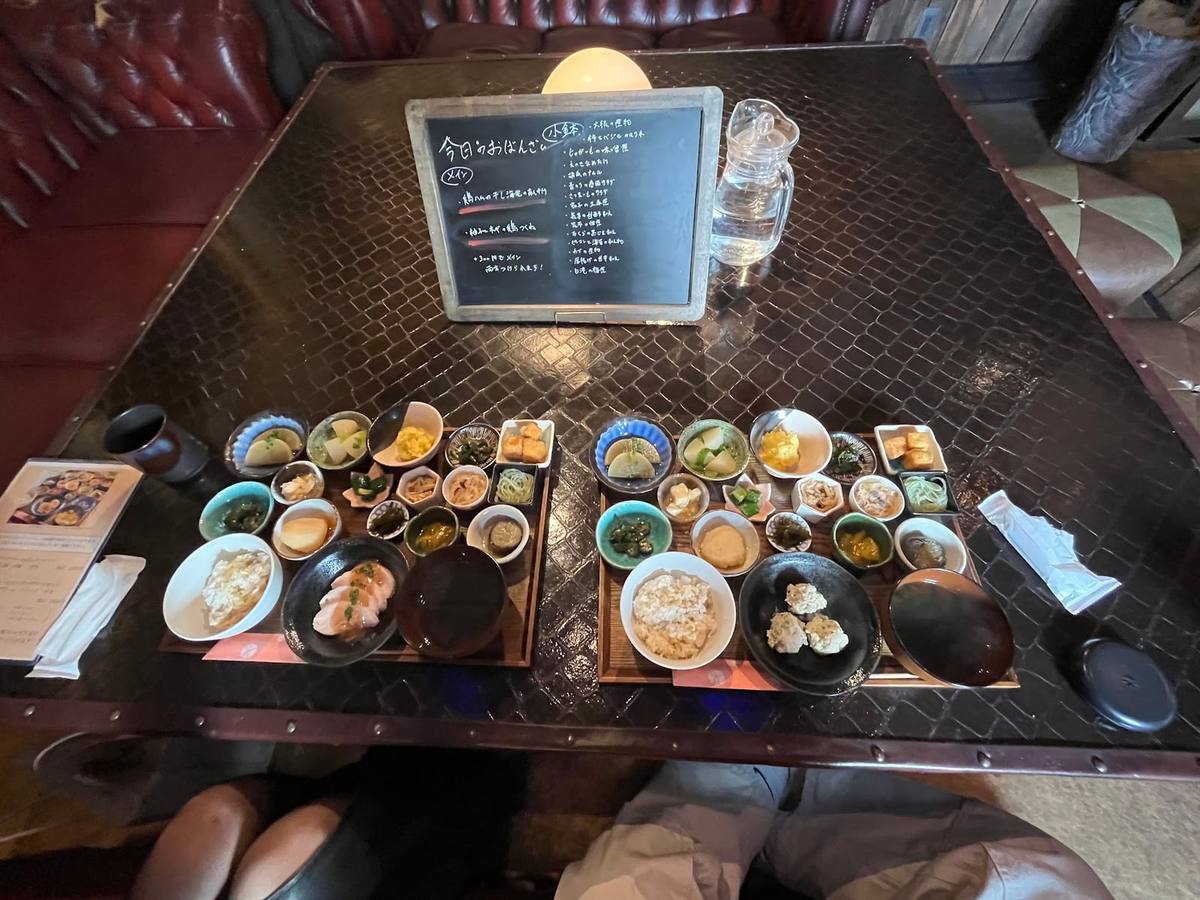
Come for the obanzai lunch, the spread of small Kyoto-style home-cooked dishes, all gluten-free and sugar-free. It is the kind of everyday Japanese cooking that is usually off-limits because of soy sauce and dashi.
The restaurant publishes an entirely gluten-free menu, including the many small obanzai plates that commonly use wheat-containing soy sauce elsewhere. It runs lunch only, roughly Thursday through Sunday, so check current days, mention celiac disease, and reserve because seats are limited.
Get whatever comfort dish is on that day, a rice-flour bun burger or a plate of Japanese-Western home cooking, plus a slice from the sweets case. The menu reads like a normal cafe because here it can.
The two owners have celiac disease, and the cafe describes its full menu as gluten-free. That combination is a strong first-party signal, but diners should still confirm current ingredients and other-allergen needs. The small room between Yoyogi-Uehara and Tomigaya fills with regulars, so go early.
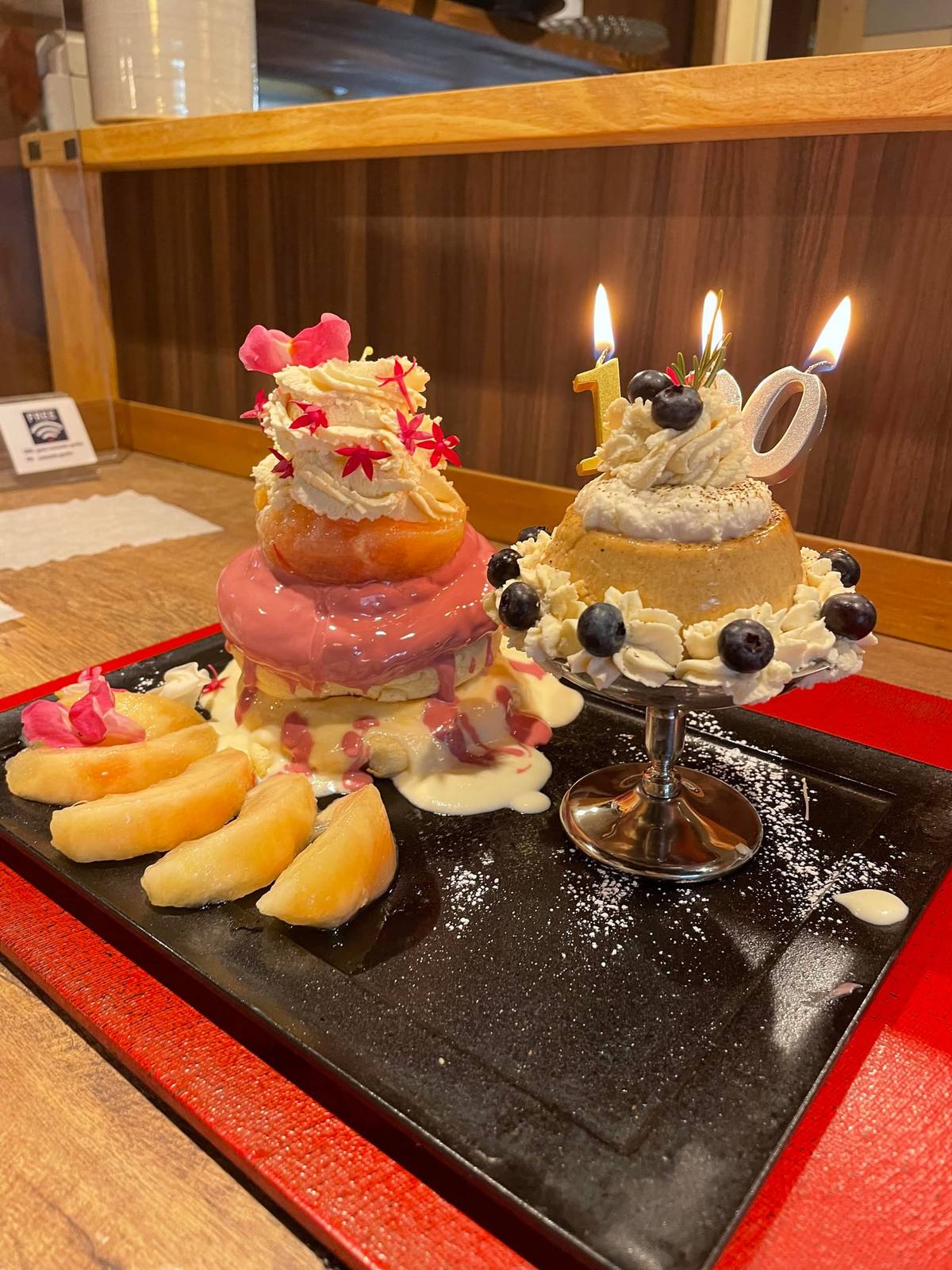
Order the souffle pancakes, the tall jiggly kind, plus a crepe if you are splitting. They are made entirely with rice flour, so the most Instagram-heavy dessert in Tokyo is finally yours.
The cafe says its kitchen uses no wheat and describes the pancakes, crepes, and toppings as gluten-free. It has operated as a dedicated gluten-free cafe since 2016; confirm the current setup and expect a wait at peak brunch because the pancakes are cooked to order.
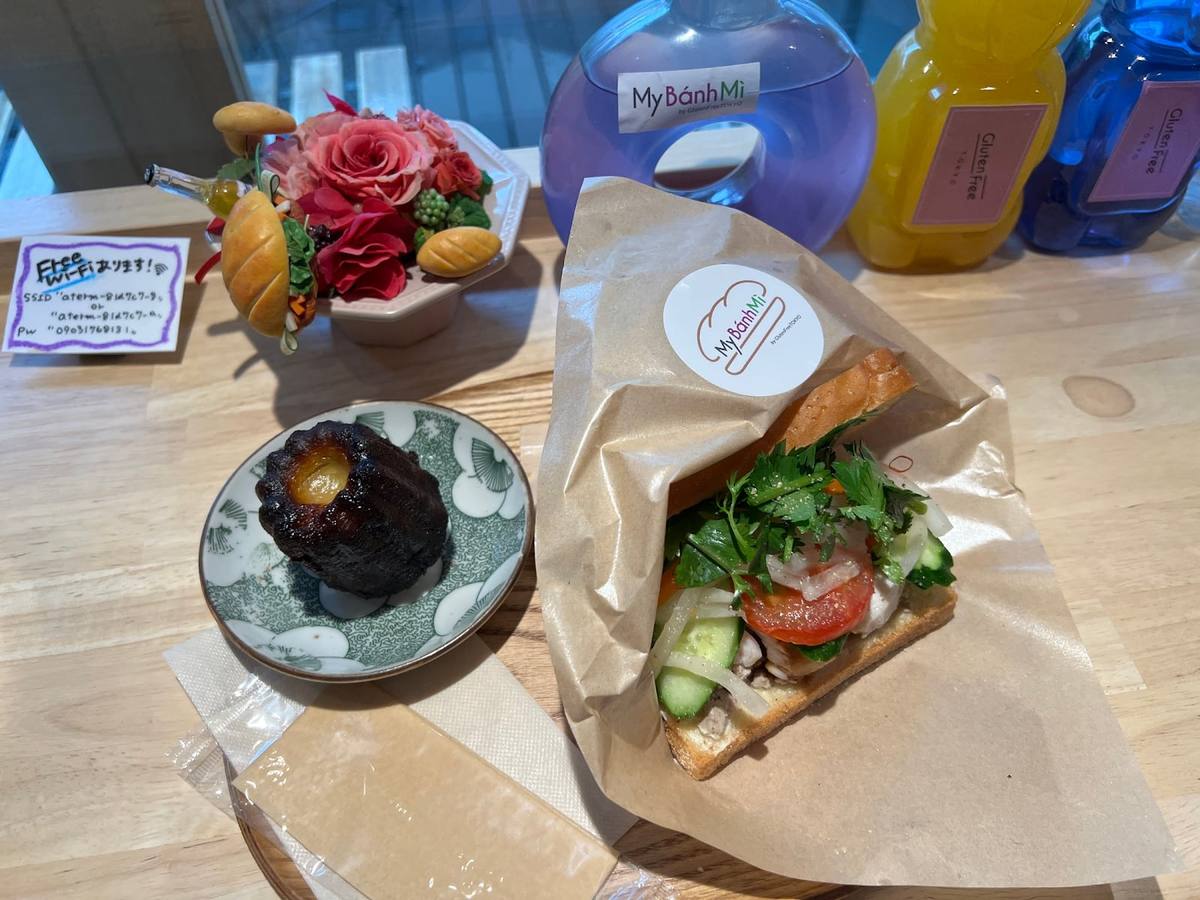
Get a banh mi on the rice-flour baguette, packed the proper Vietnamese way, and take it to go. A crusty sandwich you can actually eat is a small miracle when you have celiac.
The shop describes its baguettes as 100 percent rice flour and its production as entirely gluten-free. It is a compact takeaway near Harajuku, better for grab-and-go than a sit-down; confirm current fillings and other-allergen needs when ordering.
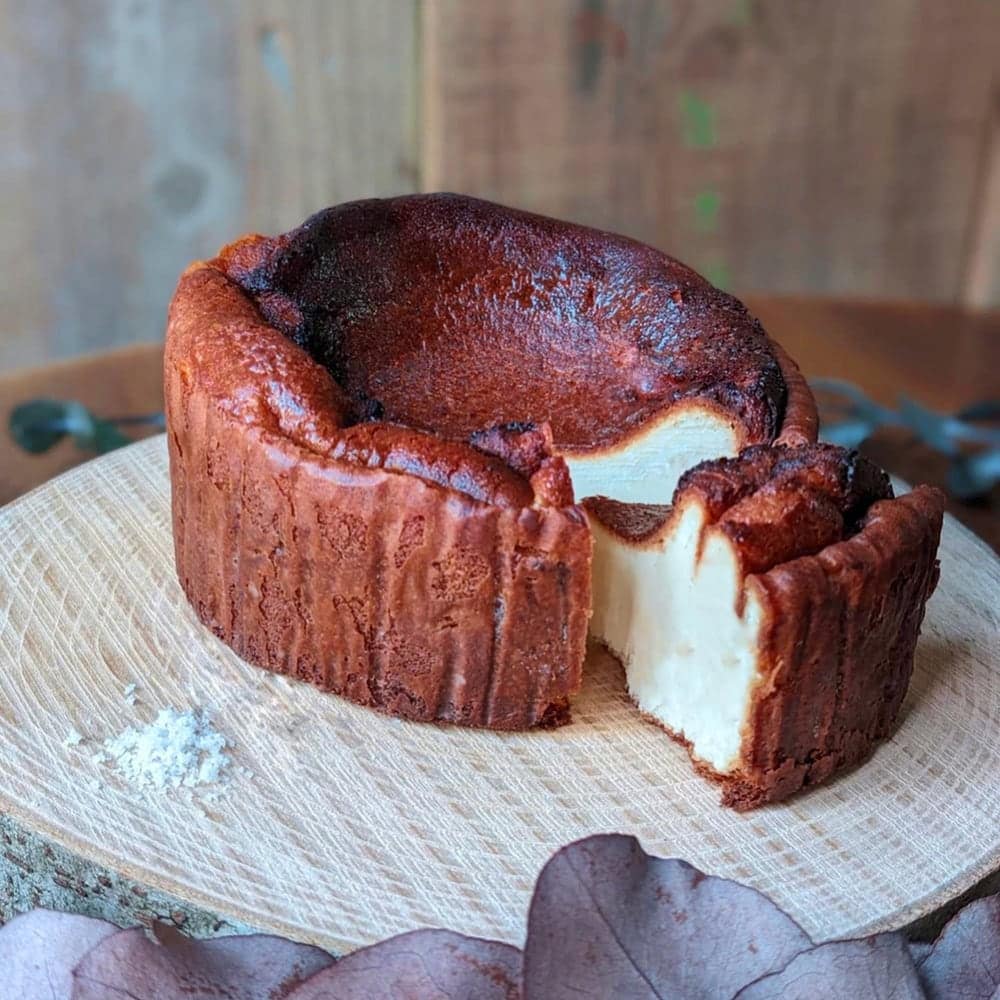
Get the basque cheesecake or a slice of pound cake with a coffee, and take a box of cookies home. It is a cafe and a bakery in one, so you can sit or stock up.
NachuRa describes a 100 percent gluten-free dedicated kitchen, and celiac-community reports provide supporting experience rather than a guarantee. It sits in Tomigaya near littlebird and & OIMO and leans vegan, so check current ingredients if you are combining gluten-free with other dietary needs.
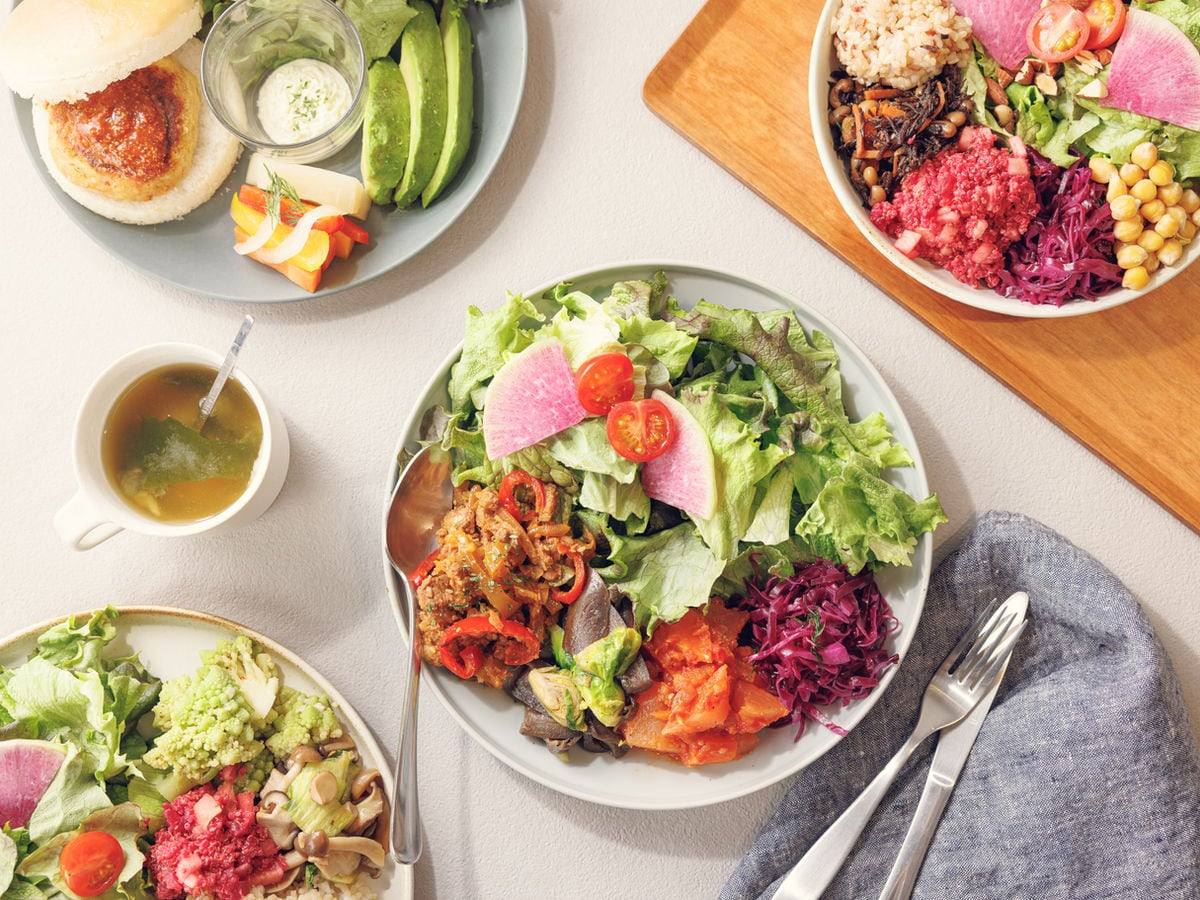
Order the taco rice or one of the donburi rice bowls, plus a bowl of soup, for a fast, clean lunch. It is the healthy-bowl format done gluten-free, a couple of floors from T's Kitchen.
The kitchen is described as fully gluten-free, which is why it is on this list, though the paper trail is thinner than the strongest picks here. If you are highly sensitive, it is worth a quick word with the counter to confirm the setup before you order. Convenient if you are already in Roppongi for T's Kitchen.
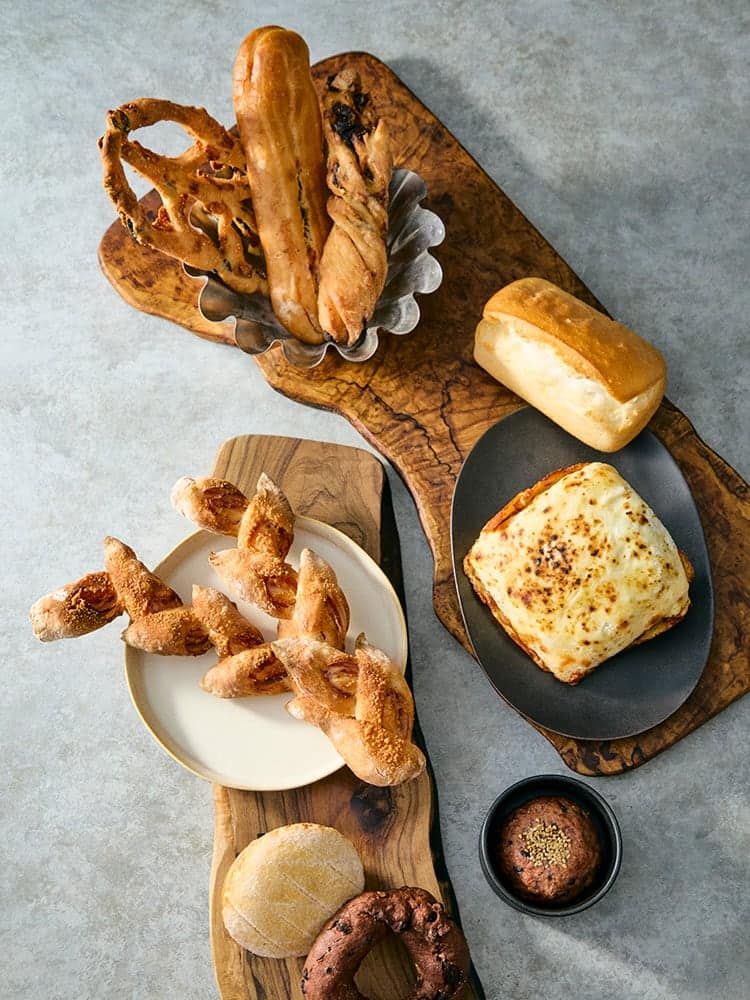
Pick up the rice-flour bread and whatever baked sweets are in the case, and build a custom sandwich if they are taking orders. This is bakery bread you can trust, from a serious name.
Comme'N is an award-winning Tokyo bakery, and this is its separate shop described as fully gluten-free with no wheat flour used. It is takeaway-focused in Okusawa, so plan it as a pickup, review current allergen information, and confirm any trace-level concerns directly.
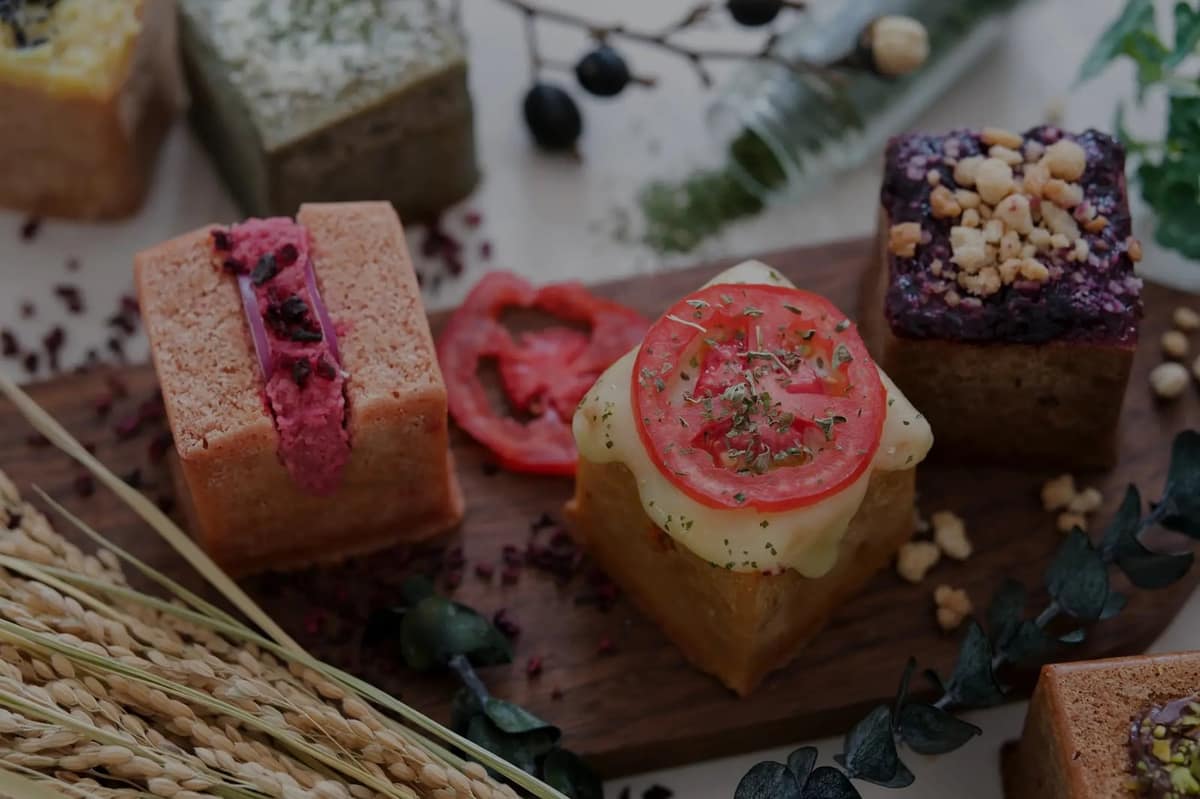
Grab the signature cube breads in their range of colors, plus a pastry or two, all built on brown rice flour. They look like art and eat like real bread.
GEN-TEN describes its products as 100 percent gluten-free, additive-free, and made without white sugar, with organic ingredients where possible. The GEN-TEN+ shop sits in Futakotamagawa Rise, with the original counter in Shibuya. Review current labels for other allergens, and go early because some items have limited daily runs.
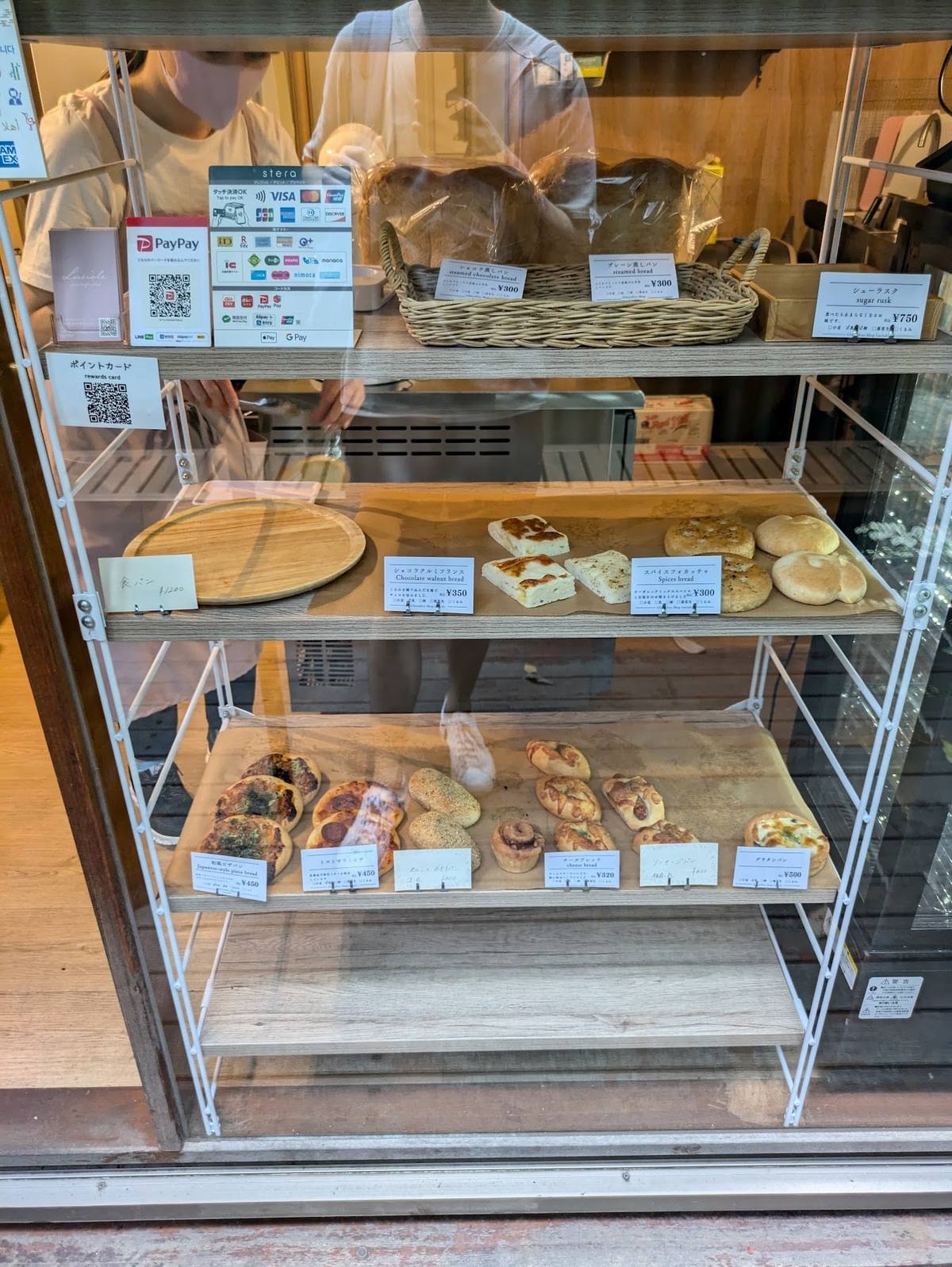
Get the rice bread, a muffin, and the rice-flour curry pan, the fried-looking bun that is normally pure wheat. It is proper bakery comfort food in the middle of Harajuku.
The shop says it bakes only with rice flour and keeps no wheat on site, making the dedicated setup broader than a single labeled item. It is a small takeaway stand; confirm current ingredients and other-allergen needs before ordering.
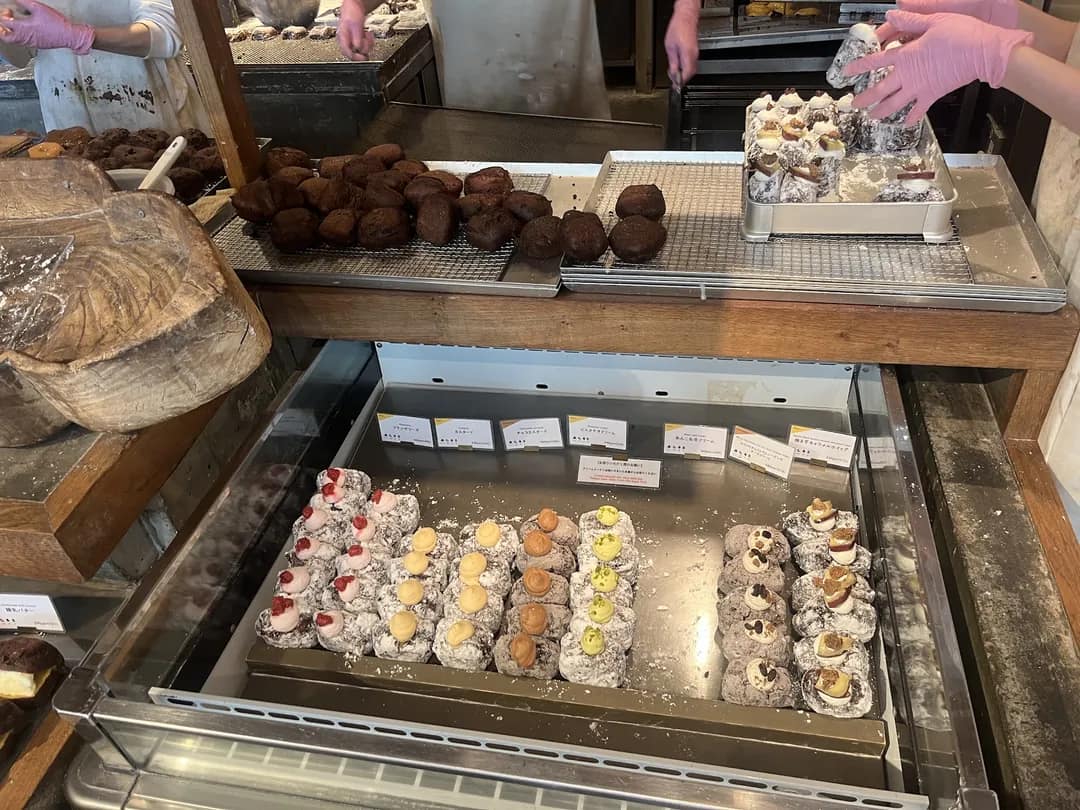
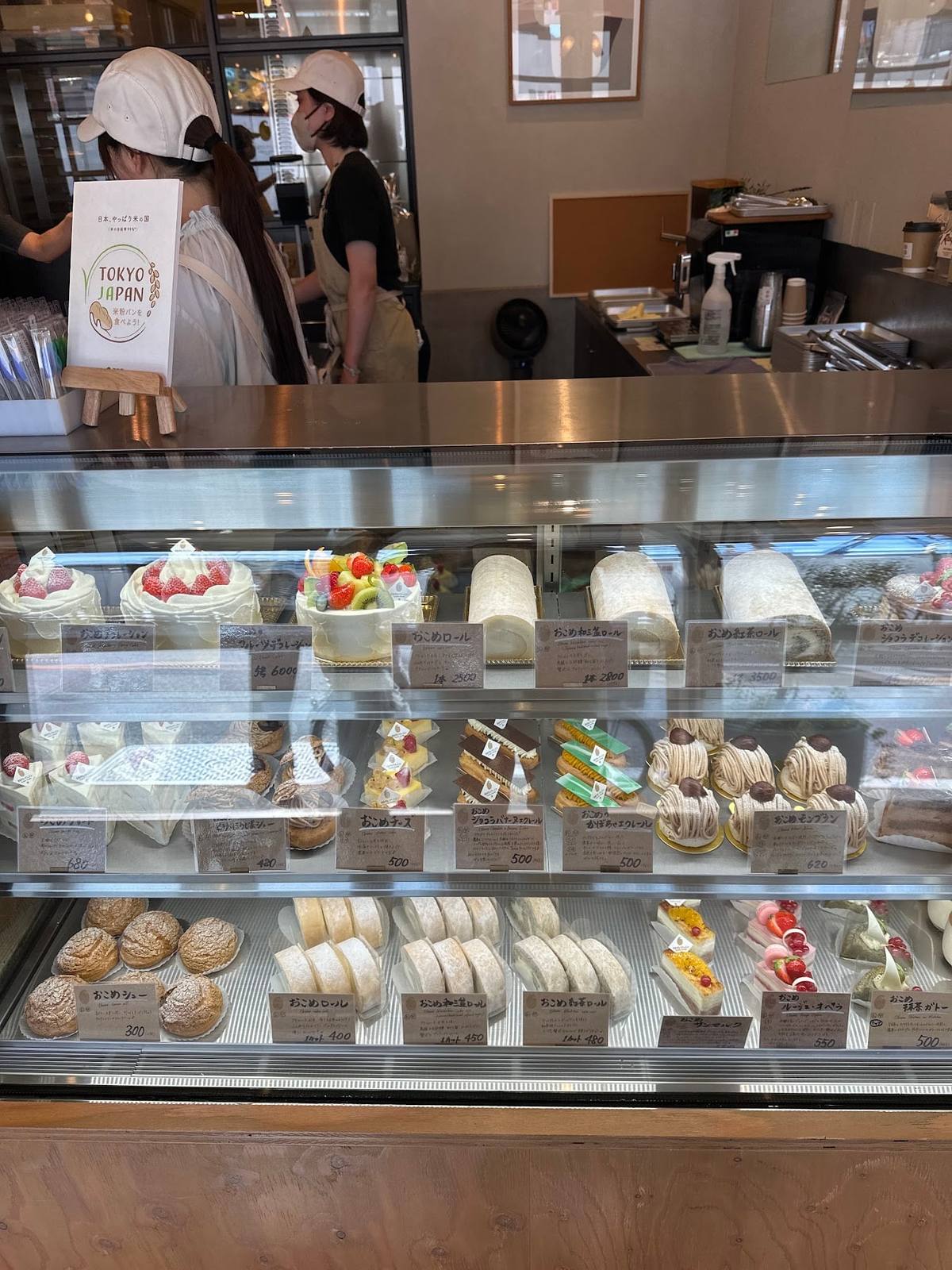
Get the rice-flour donuts fresh, in whatever flavors are out that day. They come from the viral I'm donut? name, but this is the version you can eat.
The brand says these gluten-free doughnuts are made in a dedicated production environment kept separate from its regular wheat stores. That separation is the key signal; confirm the current process and ingredient needs at the Shibuya stand, where lines are common.
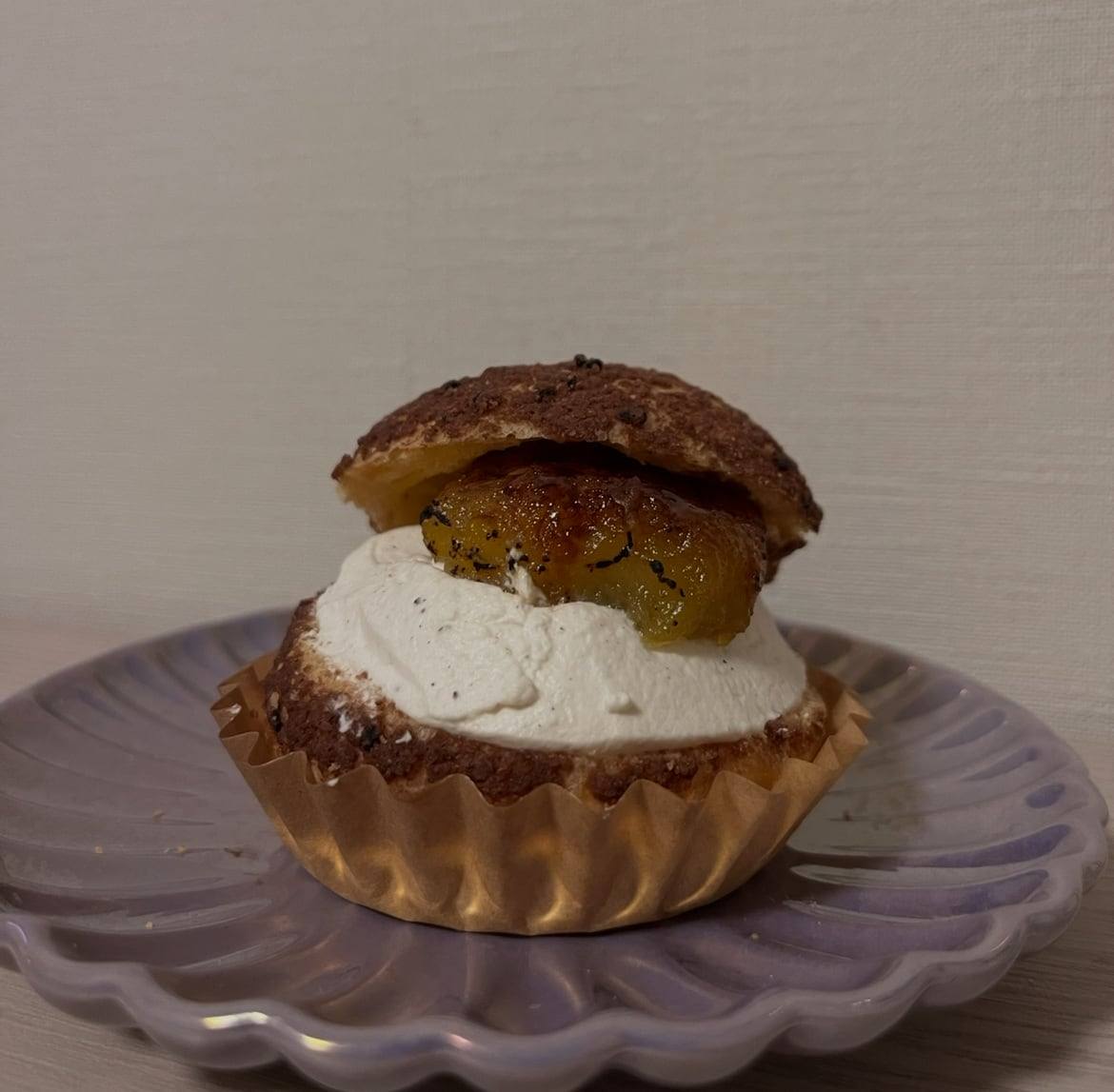
Order the roasted sweet-potato desserts, the tart and the soft-serve style ones, all gluten-free and refined-sugar-free. It is a whole sweets shop built around one very good idea.
The brand describes its products as 100 percent gluten-free, but one recent review raised a cross-contact question, so call ahead to confirm the current setup for your order. It sits in the Tomigaya cluster with littlebird and NachuRa.
Get the baumkuchen, the ringed layer cake this shop is named for, plus a coffee if you are sitting. The shop makes this usually wheat-based German-style bake with its gluten-free recipe.
The shop describes its kitchen as 100 percent dedicated gluten-free and says it does not work with wheat. It is in Futakotamagawa near GEN-TEN+; confirm the current ingredients and production setup if trace-level exposure or other allergens matter.
Pick up the breads and bakes, all gluten-free and vegan, from a small shop that leans on rice flour. Simple, honest baking near Meiji Jingu.
The owner is gluten-intolerant, and current sources describe the shop's products as gluten-free. The hours are tight, roughly Friday through Sunday afternoons, so check the schedule and confirm current ingredients before going.
Get the rice-flour bread and a cake slice, the everyday bakery staples that are hardest to trust anywhere else. This is a full bread-and-cake counter, not a token shelf.
The shop says it converted to completely gluten-free production in 2022, baking with rice flour rather than wheat. If you remember its older mixed-flour version, verify that you are looking at the current dedicated relaunch and confirm other-allergen needs at the counter.
Order the rice-flour cakes and baked sweets, all made without a speck of wheat. It is a proper little patisserie for the west side of the city.
Rizriant describes its baking as gluten-free and based on 100 percent rice flour; it also uses eggs and dairy. It is about ten minutes from Kichijoji Station in Musashino. Review current labels for other allergens, and go earlier because the small shop can sell down.
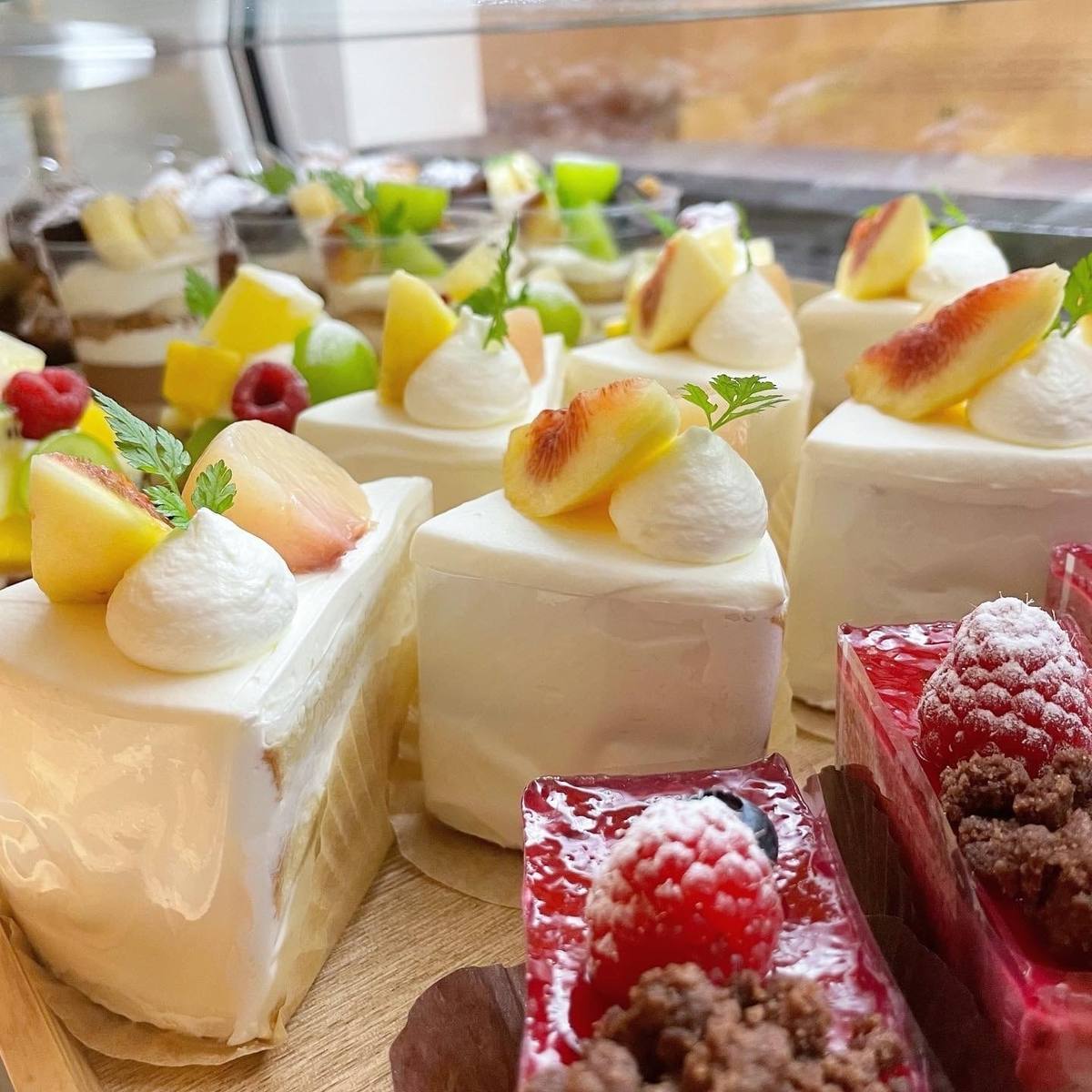
Get a decorated cake or a bake from the case, or order a celebration cake ahead. The charming animal cakes are the draw, and they are all gluten-free.
The whole shop is gluten-free with no wheat flour, running as a rice-flour bakery on weekdays and a cake shop on weekends. It is out east in Edogawa, so it is a destination stop rather than a walk-by. Order custom work ahead, since a small shop cannot always have your exact cake in the case.
Pick up the rice-flour chiffon cake and the dorayaki, both made without wheat. They are the traditional-style Japanese treats you usually have to wave off near Sensoji.
The shop says its kitchen works only with rice flour and keeps no wheat on the premises. It is a small takeaway counter in Asakusa; confirm the current production setup and other allergens before ordering if trace-level exposure matters.
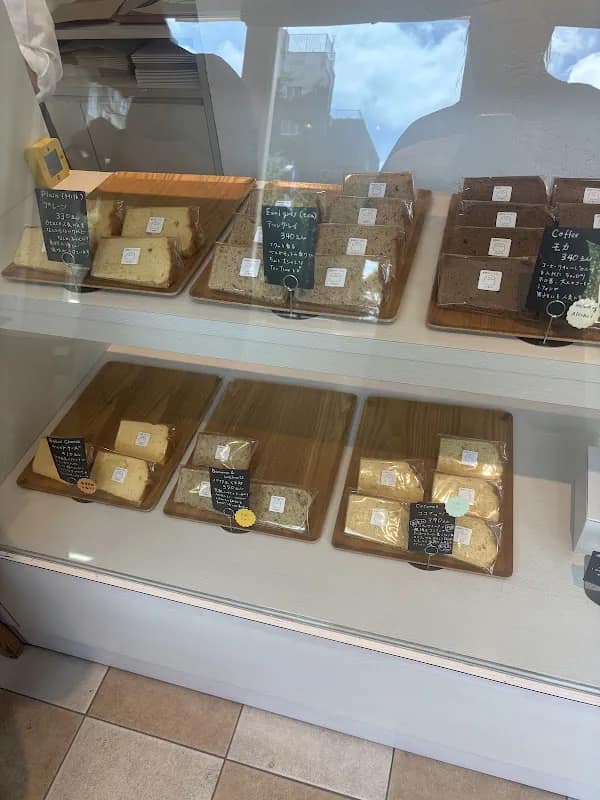
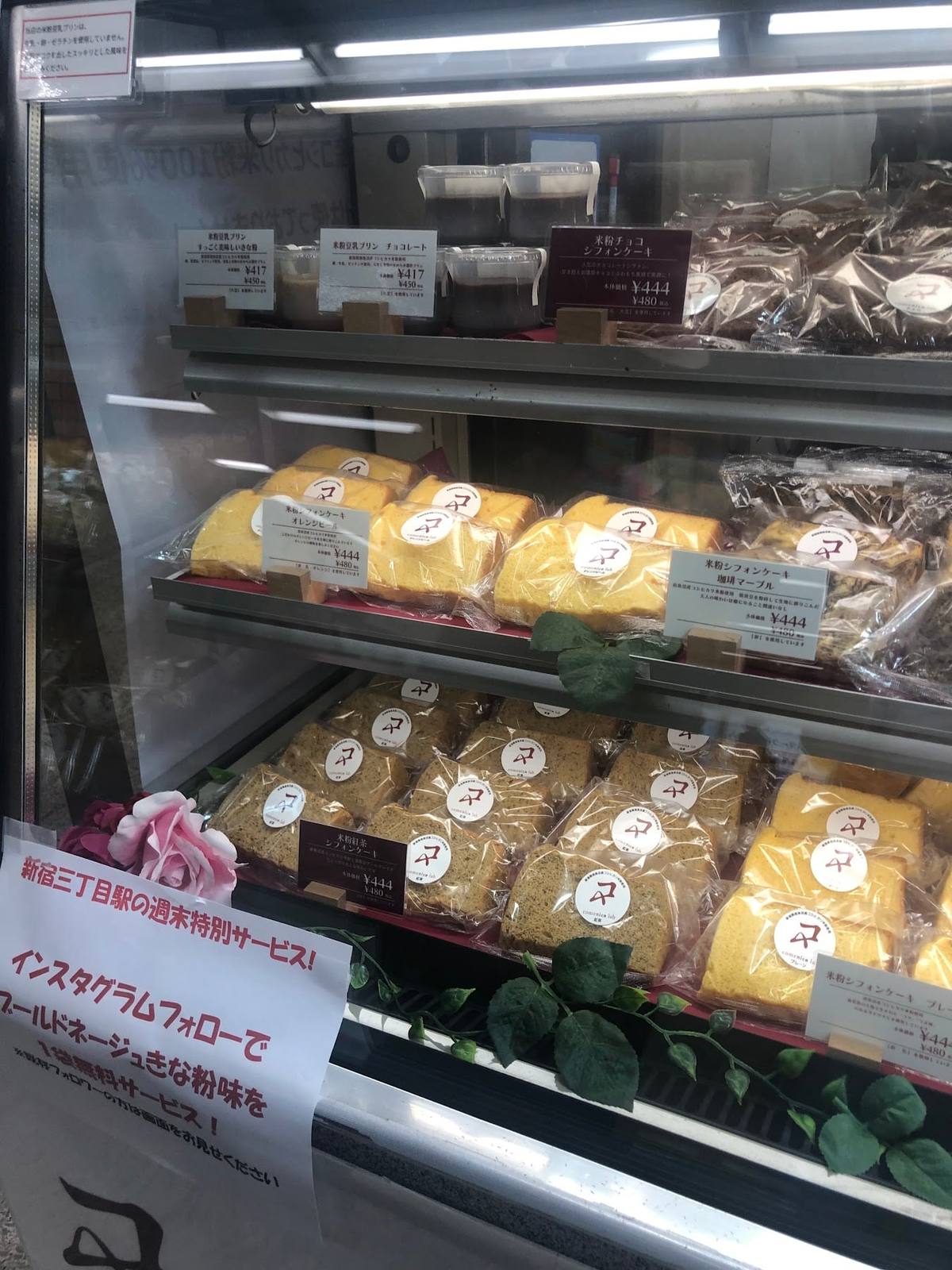
Get the rice-flour chiffon cakes, the shop's whole reason to exist, in whatever flavors are stocked near Tokyo Skytree.
Comenico Lab is a dedicated rice-flour maker with its own production kitchen, so the chiffon is built without wheat. It is a factory-direct shop in Oshiage with limited days, roughly closed midweek and Sundays, so check before heading over. If you are highly sensitive, confirm the current setup at the counter, since the paper trail is lighter than the top picks.
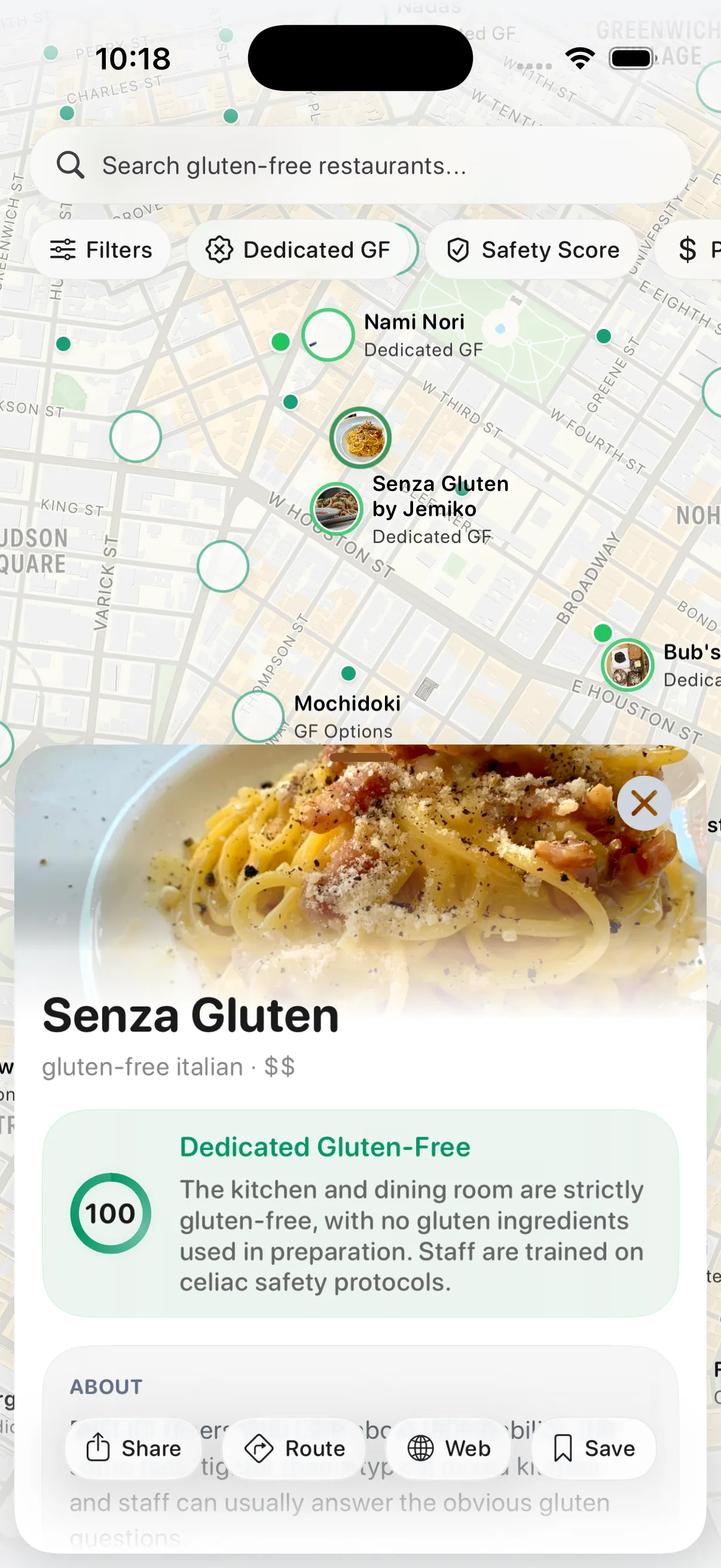
Use the map to see which dedicated gluten-free restaurants fit your route before comparing individual notes.
Kitchen
Look for stronger signals
Dedicated kitchens, separate fryers, and clear sourcing matter more than a generic gluten-free option label.
Plan
Save a short list
Save a few nearby places, then confirm current prep practices with the restaurant before you eat.
Gluten-free in Tokyo, answered
Are there 100% gluten-free restaurants in Tokyo?
Yes, and more than most cities. Tokyo has dedicated gluten-free sit-down spots like Gluten Free T's Kitchen, Oh Nana!, Tempura Asakusa SAKURA, and Kushiage Su, plus fully gluten-free cafes and a deep bench of rice-flour bakeries including Comme'N Gluten Free, GEN-TEN, RICEHACK, and glutenfree cafe littlebird.
Where can celiac diners find dedicated gluten-free tempura in Tokyo?
Regular tempura usually uses wheat batter and shared frying oil. Tempura Asakusa SAKURA describes rice-flour batter, gluten-free oil, and a wheat-free kitchen; Oh Nana! and Gluten Free T's Kitchen also publish dedicated gluten-free frying setups. Confirm current ingredients and oil practices when booking.
Is there dedicated gluten-free ramen in Tokyo?
Not really, which surprises people. Most Tokyo ramen shops that advertise a gluten-free bowl swap in a rice or konjac noodle inside a wheat kitchen, so they carry cross-contact risk. For dedicated gluten-free versions of other hearty Japanese dishes, review Gluten Free T's Kitchen, Kushiage Su, and Tempura Asakusa SAKURA and confirm current practices directly.
How do celiacs handle soy sauce in Tokyo?
Standard Japanese soy sauce usually contains wheat, which is a common hidden-gluten source. Oh Nana! and GF Obanzai LL publish gluten-free soy sauce and wheat-free kitchen setups for their Japanese plates. Outside dedicated spots, ask which soy sauce is used and how the dish is prepared rather than assuming it is gluten-free.
What is the best dedicated gluten-free bakery in Tokyo?
It depends on what you want. Comme'N Gluten Free and GEN-TEN lead for bread, RICEHACK is the pick for rice bread and curry pan, and Tamakuchen, & OIMO, and Riz Lie Amande cover cakes and sweets. Their current sources describe fully gluten-free production rather than a single labeled shelf; confirm current ingredients and other-allergen needs with each shop.
What spots did Sansglu check but leave off?
We left off gluten-free-friendly or unverifiable places like Alchemy, Marugoto Vegan Asakusa, FANCL Brown Rice Meals, and brown-rice-noodle ramen shops that still cook wheat on site, plus IYOTO, which closed in early 2026. Note that T's Restaurant and T's Tantan, the vegan ramen shops, are a different business from the dedicated Gluten Free T's Kitchen. The full notes are below.
Checked, not on the list
IYOTO: The fully gluten-free rice-flour bakery in Meguro permanently closed in February 2026, including its online shop, so it is off the list.
T's Restaurant / T's Tantan (vegan ramen): These serve wheat ramen noodles with only a substitute gluten-free option in a shared kitchen, and they are a separate business from the dedicated Gluten Free T's Kitchen.
Alchemy: The Azabudai menu is all plant-based and gluten-free, but it is not a dedicated gluten-free facility and does not run celiac cross-contact protocols.
Marugoto Vegan Asakusa: The menu is all vegan and described as gluten-free, but we could not confirm a wheat-free facility, including the soy sauce, so it does not meet the dedicated bar.
Brown-rice-noodle ramen (Soranoiro and similar): These offer a brown-rice-noodle bowl as an add-on inside a standard wheat-ramen kitchen, so there is cross-contact risk.
FANCL Brown Rice Meals: A wellness-brand restaurant with brown-rice pasta, but it is a shared kitchen, not a dedicated gluten-free facility.
Gonpachi: Has a gluten-free menu, but it is a shared izakaya kitchen, so it is friendly rather than dedicated.
Gluten Free Cafe avan: A genuinely dedicated all-gluten-free cafe, but it recently relocated, so we are confirming the current address before listing it.
Gluten-free sweets mug: A dedicated gluten-free shop, but it sits out in Fussa in far western Tokyo, outside the core this guide covers.
See the safety scoreDedicated GF only
The whole gluten-free map, in your pocket.
Sansglu helps you find stronger dining signals before you go: dedicated kitchens, safety scores, separate-kitchen checks, and celiac community context. Built by celiacs, for celiacs.
 Safety 851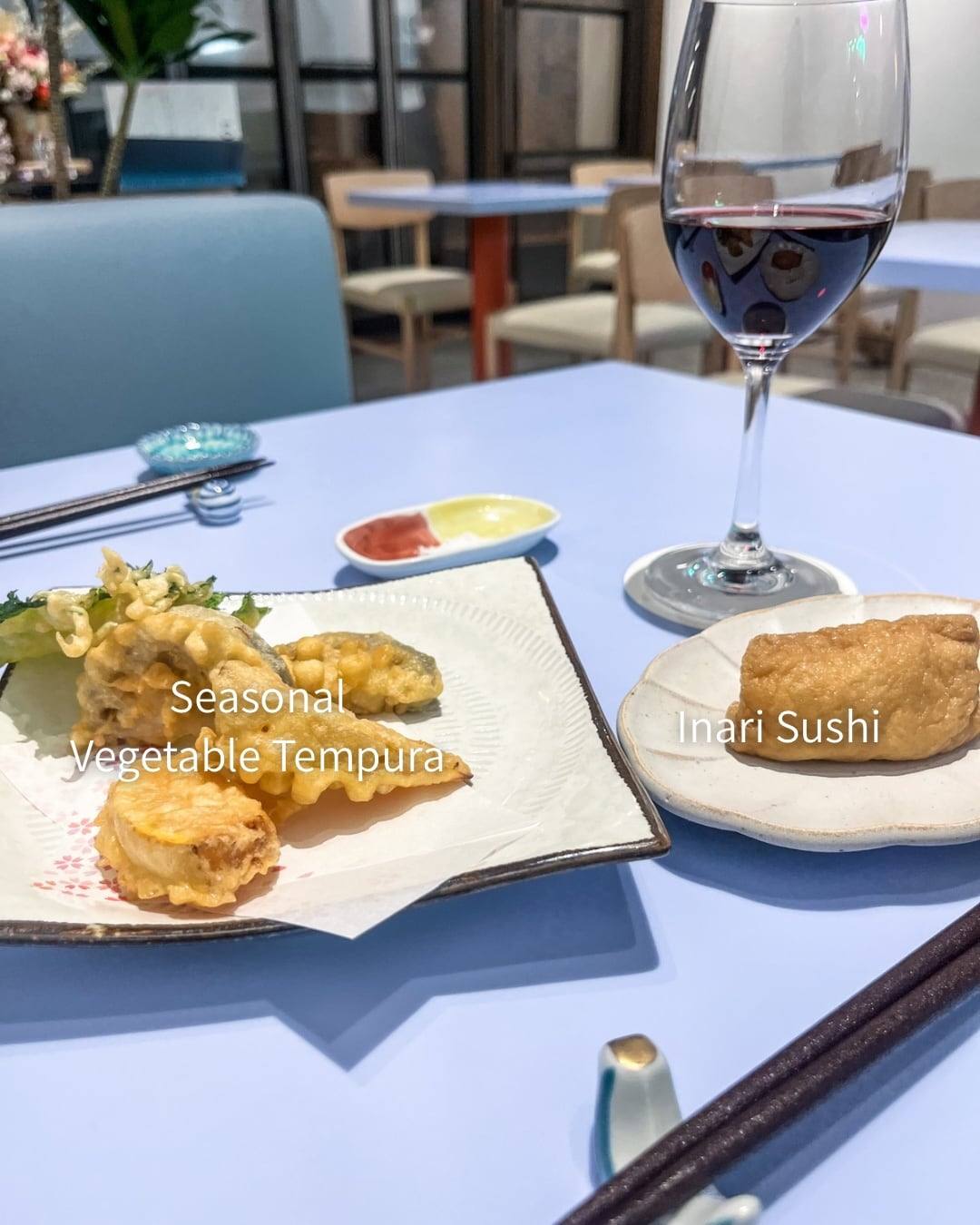
![グルテンフリー串揚げ スー[Sû], Ginza](https://sansglu-guide-images.kalsigurbir.workers.dev/v1/image?src=https%3A%2F%2Fsdrorwmxjdrgipcmcpza.supabase.co%2Fstorage%2Fv1%2Fobject%2Fpublic%2Frestaurant-photos%2Frehosted%2Fshared%2F405deebc14ace51a.webp&w=1200)